


At Southgate University, the ancient bricks of Elmore Hall whispered secrets of decades past, holding memories steeped in academia and quiet student revolutions. This fall semester brought an unseasonal chill, swirling around the columns of the revered hall, now threatened by the university’s modernization plan.
Dr. Judith Linley, a professor of English Literature and nearing retirement, had her office on the top floor of Elmore. Here, amid the scent of aging books and coffee, she plotted not her lectures but a subtle rebellion. Judith was not ready to let go of Elmore, not when so many of her life’s moments were etched into its woodwork.
The main character in Judith’s resistance was Toby Henderson, a junior, equally enamored with Elmore’s gothic windows and dusty charm. Toby, a literature major under Judith’s mentorship, found solace in the quiet corners of Elmore’s library, his thoughts often drowned out by the fears of an uncertain future. It was here that Judith approached him one evening, her proposal clear and compelling.
“Help me save Elmore Hall, Toby. It’s not just a building; it’s a legacy. We need to show them its worth,” Judith implored, her eyes gleaming with a mix of nostalgia and defiance.
Moved by Judith’s passion, Toby agreed. Together, they launched a campaign that intertwined essays, social media blasts, and impromptu poetry readings in the shadowed lecture halls. The heart of their movement was a grand event — a night of testimonials, history, and literature dubbed “The Last Lecture Hall.”
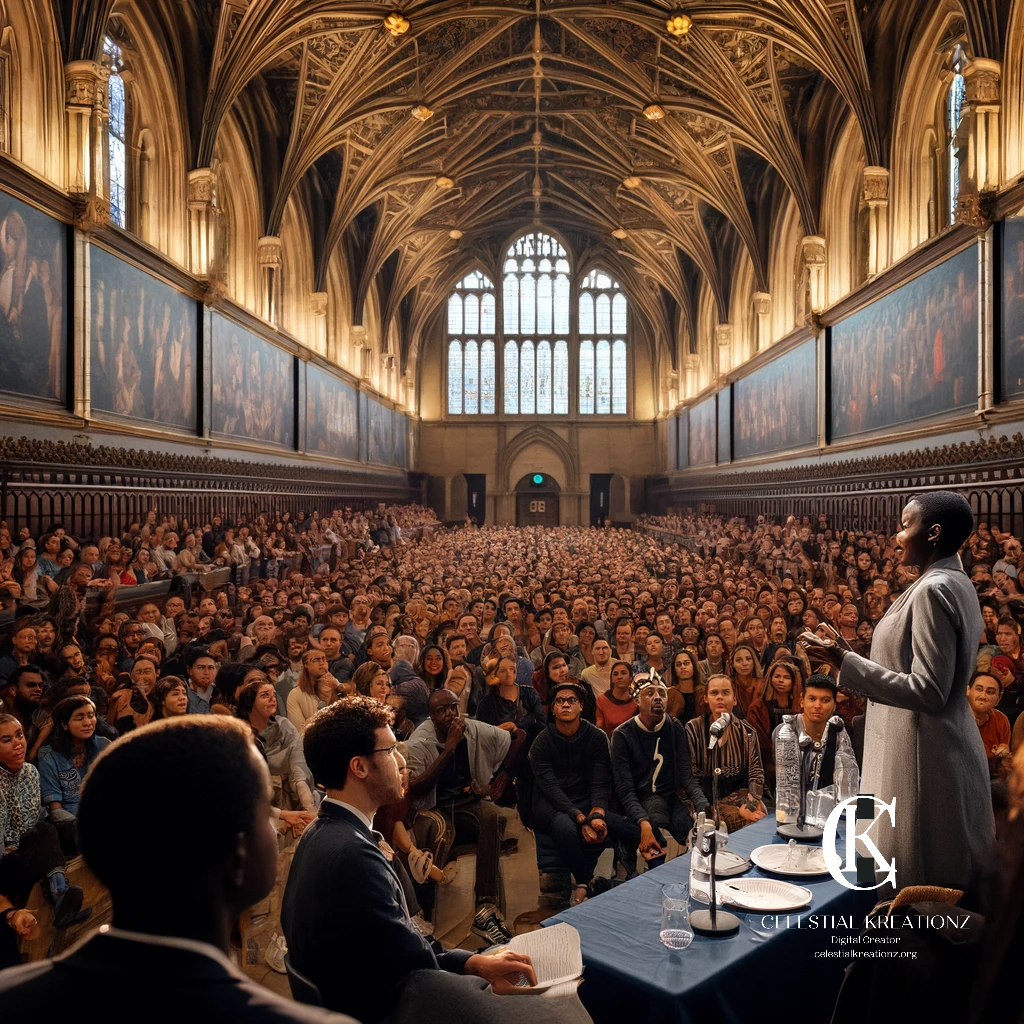
The night arrived brisk and starlit. Students, faculty, and even curious locals filled the aged lecture hall, the wooden seats creaking under the weight of anticipation. Judith opened the event, her voice resonating off the walls, recounting tales of Elmore’s storied past, of protests, of whispered first loves, of groundbreaking discoveries whispered in modest classrooms.
Toby took the stage next, his nerves steadied by the supportive nods from the crowd. He read from essays he’d written on the steps of Elmore, spoke of the dreams that the hall inspired, and the undeniable spirit of inquiry and resilience it housed.
As the testimonials poured in — from a retired custodian who had cared for the halls for over thirty years, from a successful alumna recalling her transformative years within these walls — the administration took notice.
In the face of this heartfelt uprising, the university president, who had initially advocated for the modernization, felt the tide of public sentiment turning. Moved by the outpouring of support and realizing the historical and emotional significance of Elmore Hall, he declared the renovation plans would be revised to preserve the hall’s character.
Victory was sweet and unexpected. Judith and Toby, surrounded by their newfound community of activists, celebrated under the high ceilings of Elmore, amid laughter and shared stories. Elmore Hall stood firm, its legacy no longer silent, its corridors once again filled with the promise of many more stories to come.


Leave a Reply